Commercial carpet cleaning for Bermondsey shops and cafes
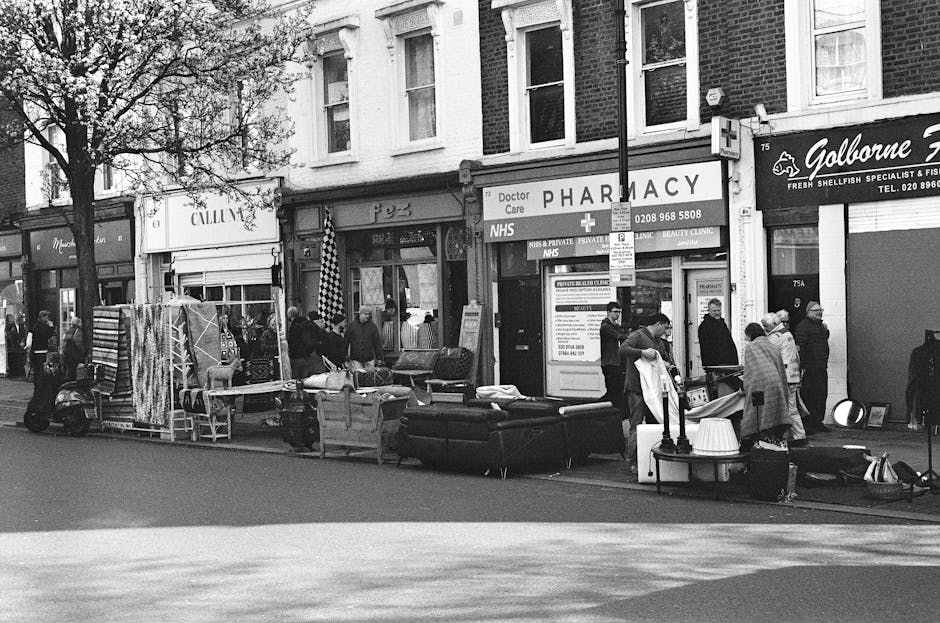
If you run a shop or cafe in Bermondsey, you already know the floor takes a beating. Mud from the street, coffee drips, crumbs, salt on wet shoes, lunchtime footfall, delivery traffic - it all settles into the carpet before you really notice. Commercial carpet cleaning for Bermondsey shops and cafes is not just about making things look nicer. It helps protect your first impression, supports a cleaner customer experience, and can stop small problems becoming stubborn ones.
Truth be told, carpets in hospitality and retail spaces often get judged long before the menu or the merchandise. A clean, even-smelling entrance tells people you care. A tired, marked carpet does the opposite. In this guide, we'll walk through how commercial carpet cleaning works, when it makes sense, what to avoid, and how Bermondsey businesses can plan it without upsetting the day-to-day rhythm of the premises.
Why Commercial carpet cleaning for Bermondsey shops and cafes Matters
Bermondsey is busy, varied, and very much on the move. Shops and cafes here tend to experience a mix of casual drop-ins, repeat regulars, and people popping in because the place simply looks appealing from the pavement. That makes carpet condition more important than many owners realise. A stained walkway, dull entrance mat, or lingering smell can quietly undermine everything else you are doing well.
Commercial carpets collect more than visible dirt. They hold fine dust, tracked-in grit, drink spills, grease mist from food service areas, and general wear from turning feet in the same routes all day. Over time, that builds up in the fibres and backing. You may vacuum often - and you probably should - but vacuuming alone rarely lifts embedded soil. It just keeps the surface under control.
For cafes, the stakes are a little different from retail. Spills happen fast. Milk, syrup, soup, pastry crumbs, and sticky drinks can all leave residue that becomes darkened patches or odours if left too long. For shops, especially near entrances or changing rooms, the issue is often soiling on paths of travel. It's subtle at first, then one day the carpet looks flat and dull around the edges and suddenly the whole room feels older.
That is why planned cleaning matters. Not every problem needs an emergency intervention, but commercial carpet care should be seen as part of normal upkeep, like window cleaning or regular floor care. If your business also uses other services such as commercial cleaning or office cleaning, carpet care fits neatly into the same maintenance mindset.
How Commercial carpet cleaning for Bermondsey shops and cafes Works
Most professional carpet cleaning follows a fairly clear pattern, though the exact method changes depending on fibre type, soil load, and how quickly the carpet must dry. In practical terms, the job starts with inspection. A good cleaner looks at the carpet material, existing stains, high-traffic routes, previous cleaning marks, and any areas that might be vulnerable to over-wetting.
Then comes pre-treatment. This is where a suitable solution is applied to loosen dirt and break down greasy or sticky deposits. In a cafe, this step matters a lot because food and drink spills can leave residues that plain water will not solve. For older retail carpets, pre-treatment can help lift embedded grime in the fibres rather than just moving it around.
After that, the cleaning method is chosen. Steam-based or hot water extraction is often used for deeper commercial cleaning because it can pull soil out from below the surface. Low-moisture approaches may be preferable where drying time is tight, or where the carpet is in a small but busy business that cannot be out of action for long. Some situations benefit from targeted stain removal first, especially if there are tannin stains from coffee or stubborn tracked-in marks near the entrance.
Finally, the carpet is rinsed or extracted as needed, then checked for residue and drying consistency. Drying matters. A carpet that feels "clean" but stays damp too long can create a musty smell or encourage resoiling. In our experience, good drying planning is one of those boring-but-crucial details that separates a decent result from a genuinely professional one.
If you are comparing methods, it helps to look at broader commercial carpet cleaning alongside more general steam carpet cleaning, because the right approach depends on the business environment, not just the carpet itself.
Key Benefits and Practical Advantages
Let's face it: most business owners do not book carpet cleaning for the thrill of it. They book it because they want the place to feel better, look better, and run more smoothly. The benefits are practical, and they show up quickly when the cleaning is done properly.
- Better first impressions - Customers notice clean flooring immediately, especially at entrances and till points.
- Improved hygiene feel - Even when a carpet is not visibly dirty, deep cleaning helps remove built-up soil and residue.
- Reduced odours - This matters especially in cafes, where food smells should be pleasant, not muddled with old spill smells.
- Longer carpet life - Grit acts like sandpaper. Remove it regularly and the fibres last longer.
- Less obvious wear patterns - High-traffic lines can be softened before they become permanent-looking tracks.
- More comfortable environment - A fresher floor just changes the mood of the room. You can feel it when you walk in.
There's also a commercial angle that is easy to overlook. If the carpet looks cared for, customers often assume the rest of the premises is cared for too. That is a real psychological effect, even if it sounds a bit obvious written down. A tidy, fresh floor signals competence. Simple as that.
For businesses combining carpet care with other surface maintenance, services like hard floor cleaning and upholstery cleaning can help keep the whole customer-facing area consistent. No point polishing one bit of the room while the rest quietly tells a different story.
Who This Is For and When It Makes Sense
Commercial carpet cleaning is useful for a wide range of Bermondsey businesses, but it is especially relevant where footfall is frequent and presentation matters every day. Shops with entry carpets, display areas, fitting rooms, waiting spaces, and checkout zones are obvious candidates. Cafes with carpeted seating corners, upstairs dining rooms, or soft-finish lounges also benefit greatly.
It also makes sense if you are noticing any of the following:
- Repeated marks returning after vacuuming
- Drink stains that have started to dull or spread
- Odours near the front door, till, or seating area
- Visible traffic lanes or darkening along the main route through the room
- Customers or staff commenting that the floor looks tired
- Carpet that takes longer than it used to to look presentable after cleaning
Some businesses need more frequent cleaning than others. A cafe on a busy Bermondsey street with regular takeaway traffic will usually need more attention than a boutique with limited footfall. Likewise, a shop with outdoor moisture tracked in during wet weather may need seasonal planning. Winter in London has a way of bringing the outside in, doesn't it?
If you are already arranging periodic regular cleaning or a one-off refresh through one-off cleaning, carpets are often best handled as part of that broader schedule rather than as an isolated job.
Step-by-Step Guidance
Here is a straightforward way to plan commercial carpet cleaning without turning it into a headache.
- Walk the space properly. Look at the entrance, till area, counter front, seating zones, and any place where customers or staff turn repeatedly.
- Identify the carpet type and problem areas. Some carpets can handle more moisture than others. Wool blends, loop pile, and low-profile commercial textiles may each need a different touch.
- Decide on timing. Choose a slot that causes minimal disruption. Early morning, late evening, or a quieter trading window often works best.
- Pre-vacuum thoroughly. This step matters more than people think. Dry soil removal helps the cleaning solution work properly.
- Spot treat stains. Coffee, tea, food colouring, grease, and tracked-in grime often need focused treatment before the full clean.
- Clean using the method that suits the carpet. Deep extraction, low-moisture cleaning, or a targeted approach may be recommended depending on the condition.
- Check drying and ventilation. Good airflow speeds up reopening and helps avoid any lingering dampness.
- Review the result after traffic returns. Sometimes the real test is how the carpet looks once the room has been in use for a few hours.
A useful rule of thumb: if you cannot remember the last time the carpet was properly deep cleaned, it is probably overdue. Not always, but usually. Businesses often spot the change only after the first professional clean, because the difference becomes obvious in daylight, especially near windows or bright shopfronts.
Where dust and debris are affecting more than just the carpet, pairing the job with window cleaning or office cleaning can give the premises a more complete refresh.
Expert Tips for Better Results
Small choices make a big difference with commercial carpets. Here are a few practical things that genuinely help.
- Use entrance matting wisely. A good mat stops a surprising amount of grit before it reaches the carpet.
- Act quickly on spills. The first five minutes are often the easiest time to stop a stain setting. Leave it too long and you are chasing it later.
- Keep a simple stain log. If the same area keeps staining, there may be a layout issue rather than just bad luck.
- Do not over-wet the carpet. More water is not automatically better. Sometimes it just creates longer drying times and more risk.
- Ask for fibre-appropriate products. The wrong chemical can dull the finish or leave residue. That is one of those annoying mistakes that looks minor until it is not.
- Plan around trading patterns. A cafe clean before the morning rush is often more sensible than a mid-service interruption.
If the premises also has soft furnishings, it can make sense to coordinate carpet work with sofa cleaning or broader deep cleaning. The room feels more coherent when all the soft surfaces are treated together. Otherwise, one clean surface can end up making the next tired one look even worse. Bit unfair, but true.
One more thing: keep an eye on odour as well as appearance. Sometimes a carpet looks acceptable but still holds a stale smell from old drink spillages or moisture. That is where pet stain odour removal may be relevant in mixed-use spaces or premises with customer animals, though not every business needs it. Use the service only if the problem matches. No need to overcomplicate the job.
Common Mistakes to Avoid
Most carpet problems in shops and cafes are not caused by one dramatic mistake. They build slowly from a few common habits.
- Waiting too long between cleans. Soil gets compacted into the pile and becomes harder to remove.
- Using the wrong cleaning method. A method that suits one carpet can damage another.
- Ignoring high-traffic zones. The carpet by the door often needs more attention than the rest of the room.
- Cleaning around the stain instead of the stain itself. That sounds obvious, but it happens.
- Not planning drying time. A clean carpet that stays damp too long creates a new problem.
- Forgetting the customer experience during cleaning. If chairs are stacked awkwardly or the route is blocked, the business feels messy even if the carpet is improving.
Another mistake is assuming every dark patch is permanent. Not always. Some marks are residue, some are lighting, and some are compression from wear. A proper assessment helps separate the fixable from the not-so-fixable. Saves a lot of guesswork.
Tools, Resources and Recommendations
You do not need to become a carpet technician to manage the process well, but it helps to understand the main tools and approaches. A professional cleaner may use commercial vacuum extractors, pre-spray solutions, agitation tools, portable extraction machines, and drying aids such as air movers. Each has a role, but they are only useful when matched to the carpet and the setting.
For business owners, the practical resources are simpler:
- A cleaning schedule that fits trading hours
- Basic spill-response materials for staff
- Clear notes on carpet type, if known
- A plan for furniture movement before the clean
- A follow-up review to check the result after drying
If you are comparing services, it can help to look at how carpet work connects with commercial cleaning and stain removal. Those pages reflect the wider support a business may need beyond a one-off treatment. You are not just buying a wash. You are buying consistency.
For some premises, services such as rug cleaning or upholstery cleaning can also be sensible if the customer area includes softer textiles. It all depends on what actually sits in the room.
Law, Compliance, Standards, and Best Practice
Commercial carpet cleaning does not usually involve complicated legal issues, but there are still sensible standards to follow. Businesses have duties around workplace safety, hygiene, and keeping premises reasonably safe for staff and visitors. That means cleaning should be planned in a way that avoids slip hazards, blocked routes, or lingering moisture where people walk.
For Bermondsey shops and cafes, the practical takeaway is simple: use a cleaner who works carefully, communicates clearly, and understands that trading premises are not the same as empty homes. Timing, cord management, ventilation, and safe access all matter. So does insurance. If equipment is being brought into a public-facing space, you want confidence that any reputable provider carries appropriate cover. That reassurance is worth something. Quite a lot, actually.
If you are reviewing suppliers, it is sensible to check pages such as health and safety policy, insurance and safety, and terms and conditions so you know how the service is run. If payment handling matters to your accounts process, payment and security may also be relevant. None of that is flashy, but it does build trust.
On sustainability, businesses increasingly want cleaning choices that avoid unnecessary waste. If that matters to you, a provider's recycling and sustainability approach may be worth a look. Even small operational decisions can reduce waste water, avoid overuse of chemicals, and keep the process more responsible.
Options, Methods, or Comparison Table
Different carpets and business setups call for different approaches. Here is a simple comparison to help you think it through.
| Method | Best for | Advantages | Watch-outs |
|---|---|---|---|
| Hot water extraction | Deep soil, regular commercial use, visible traffic lanes | Strong cleaning power, good for embedded dirt | Needs proper drying time and careful handling |
| Low-moisture cleaning | Busy premises that need quicker turnaround | Faster drying, less disruption | May be less intensive on heavy soiling |
| Spot and stain treatment | Specific spills and localised marks | Targets visible problems quickly | Not a full replacement for deep cleaning |
| Routine maintenance cleaning | Businesses that want to stay ahead of wear | Keeps carpets looking fresher for longer | Needs consistency rather than one-off attention |
In many Bermondsey businesses, the best answer is a mix. A regular maintenance approach with occasional deeper extraction often works better than relying on one heroic clean once a year. Heroic cleans are a bit dramatic. Useful, yes. Ideal? Usually not.
Case Study or Real-World Example
Imagine a small Bermondsey cafe with a carpeted seating area near the window. It looks fine in the morning, but by mid-afternoon the entrance path shows darkening, and the corner by the sugar station has a faint sticky patch. Staff vacuum daily, but the carpet still looks flat. The owner assumes it is simply old and beyond help.
After a proper assessment, the cleaner identifies compacted soil on the main walkway, coffee residue near the counter, and a few separate drink marks that have dried into the pile. The treatment plan includes pre-vacuuming, targeted stain work, a full extraction clean, and better drying airflow before reopening the next morning.
The result is not magical. It is just noticeably better. The room feels lighter. The carpet regains more texture. The business still looks like itself - which is important - but with the dullness stripped away. That is the sort of improvement customers rarely comment on directly, yet they absolutely notice.
For a nearby shop, the story may be different. The problem might be a front-door strip that keeps catching muddy shoes and rainwater. In that case, the win comes from treating the entry zone more often and pairing it with sensible matting and a cleaner route into the shop.
Practical Checklist
Use this before booking or scheduling a clean.
- Identify the busiest carpeted areas in the premises
- Note visible stains, odours, and high-traffic lanes
- Check whether the carpet is suitable for deep extraction or needs a gentler method
- Choose a cleaning time that avoids peak trade
- Move fragile items and decide who handles furniture shifting
- Plan ventilation and drying time
- Ask how spot stains will be treated before the full clean
- Confirm any insurance, safety, or access requirements
- Review the result once the carpet is fully dry
- Set a reminder for the next maintenance clean
That last point matters more than people think. A clean carpet is not a one-time event. It is part of keeping the business feeling cared for, week after week.
Get a free quote today and see how much you can save.
Conclusion
Commercial carpet cleaning for Bermondsey shops and cafes is really about protecting the feel of the business. Clean flooring supports confidence, comfort, and consistency. It helps your premises look deliberate rather than worn down, and that matters in a neighbourhood where people notice details, even if they do not say so out loud.
Whether you run a compact cafe, a boutique shop, or a mixed-use space with soft flooring, the best approach is the one that fits your traffic, your timings, and your carpet type. Keep it practical. Keep it regular. And do not wait until the carpet starts telling a story you would rather not hear.
A fresh floor can change the whole room, honestly. Sometimes that is the quiet difference between a place people pass through and a place they want to return to.
Frequently Asked Questions
How often should shops and cafes in Bermondsey have their carpets cleaned?
It depends on footfall, carpet type, and how exposed the entrance is to street dirt. Busy cafes and retail spaces often benefit from more frequent maintenance than quieter premises. A regular schedule is usually better than waiting for obvious staining.
Will commercial carpet cleaning disrupt trading?
It can be planned to minimise disruption. Many businesses book early morning, evening, or quieter trading periods. Good drying planning helps too, because a carpet that dries properly is easier to reopen around.
Is steam carpet cleaning suitable for cafes?
Often yes, but not always. Steam or hot water extraction can work very well for deep cleaning, yet the carpet type and drying time need to be considered. A quick assessment is the sensible starting point.
Can carpet cleaning remove old coffee stains?
Sometimes. Fresh spills are easier, but older coffee marks may still respond to targeted stain treatment and extraction. The result depends on how long the stain has set and whether any previous cleaning has left residue behind.
What is the difference between commercial carpet cleaning and regular vacuuming?
Vacuuming removes loose debris from the surface. Commercial carpet cleaning goes deeper and addresses embedded dirt, residues, and stains. Both matter, but they do different jobs.
Does carpet cleaning help with odours in cafes?
Yes, especially if the odour comes from old spills, moisture, or compacted soil. It is not a miracle fix for every smell, but it often makes a noticeable difference when done properly.
Should I clean the carpet before or after a busy event?
Usually after, unless the event is expected to bring a lot of extra footfall and you want the space looking fresh beforehand. The best timing depends on your trade pattern and whether the carpet needs a deeper reset or just a tidy-up.
What if my carpet has both stains and wear marks?
That is very common. Stains and wear lines are treated differently. Spot work may tackle the marks, while the broader clean improves the overall look and lifts the flat, tired appearance.
Can commercial carpet cleaning be combined with other services?
Yes. Many businesses find it sensible to combine carpet work with broader premises care such as commercial cleaning, hard floor cleaning, or window cleaning so the whole customer area feels consistent.
How do I choose the right cleaning method?
Start with the carpet type, the level of soiling, and how fast you need it dry. Deep extraction suits heavier soil, while lower-moisture methods may be better where downtime is limited. A good provider will explain the trade-offs plainly.
Is it worth cleaning carpets in a small cafe or boutique?
Absolutely. Small premises can show dirt even faster because every mark is more visible. A well-maintained carpet can make a compact space feel brighter, cleaner, and more welcoming.
What should I ask before booking commercial carpet cleaning?
Ask about the cleaning method, drying time, stain treatment, access needs, and any safety or insurance details. If you want broader reassurance, check the provider's health and safety policy and related service information before you commit.