Health and Safety Policy for Carpet Cleaners E16
 Carpet Cleaners E16 is committed to maintaining a safe, healthy, and well-managed working environment for staff, clients, and anyone who may be affected by cleaning activities. This policy sets out the standards expected across all carpet cleaning operations, with a focus on preventing accidents, reducing risks, and supporting safe working practices at every stage of the job.
Our approach is based on careful planning, suitable training, and consistent supervision. Every carpet cleaning assignment must be assessed before work begins so that hazards can be identified and controlled. This includes attention to equipment use, cleaning chemicals, electrical safety, manual handling, slip risks, ventilation, and the condition of the work area. Health and safety responsibilities apply to all personnel, whether they are new, experienced, temporary, or supervisory.
 We expect all carpet cleaning professionals to follow safe procedures, use equipment correctly, and report concerns without delay. No task should be carried out in a way that places people at unnecessary risk. Where conditions change during a job, work must stop if needed until it can be completed safely.
1. Responsibilities and Standards
Management is responsible for providing a safe system of work, making sure equipment is fit for purpose, and ensuring that suitable controls are in place. Staff are responsible for taking reasonable care of their own safety and that of others. This includes wearing appropriate protective items, using cleaning products as directed, and avoiding shortcuts that could compromise safe practice.
Training is essential. Carpet cleaners must understand how to handle machines, mix and store solutions, manage wet surfaces, and respond to spills or incidents. Regular instruction helps reinforce safe habits and ensures that health and safety requirements remain part of everyday work rather than a separate concern.
 Before any cleaning begins, surfaces, furnishings, access routes, and surrounding areas should be inspected. Risks such as fragile flooring, trailing cables, poor lighting, clutter, or restricted ventilation must be addressed. When work is carried out in occupied spaces, care should be taken to protect members of the public, residents, staff, or visitors from exposure to hazards.
2. Safe Use of Equipment and Cleaning Products
Carpet cleaning machines, extraction tools, extension leads, and related accessories must be checked before each use. Faulty or damaged items must not be used. Equipment should be maintained in line with manufacturer instructions and stored securely when not in use. Cables and hoses should be positioned to reduce trip hazards, and machines should be used only by trained personnel.
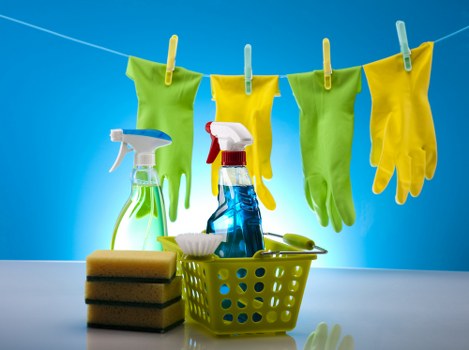
Cleaning products must be selected carefully and used in accordance with the correct dilution and application instructions. Where substances may cause irritation, burns, or breathing discomfort, suitable controls must be in place. This can include gloves, eye protection, or improved ventilation. Containers should be labelled clearly, and chemicals must never be mixed unless specifically approved for that use.
Any spillages, overspray, or residue should be dealt with immediately. Wet carpeted areas can create slip risks, so warning signs or temporary barriers should be used where needed. Safe drying practices are also important, as leaving a space too damp can cause accidents or affect the condition of the treated area.
3. Manual Handling, Welfare, and Incident Control
Carpet cleaning work often involves lifting equipment, carrying water, moving furniture, and working in awkward positions. These activities must be managed to reduce strain and injury. Staff should use correct lifting techniques, avoid overloading themselves, and ask for assistance where an item is too heavy or too awkward to move safely. Repetitive tasks should be varied where possible to reduce fatigue.
Welfare is also an important part of this policy. Cleaners should have access to appropriate rest breaks, drinking water, and suitable facilities when working for extended periods. Good personal hygiene helps reduce contamination risks, especially when dealing with dirty water, waste, or areas affected by mould, pet residues, or other contaminants.
 If an accident, near miss, or unsafe condition occurs, it must be reported and recorded promptly. Incidents should be reviewed so that lessons can be learned and future risks reduced. This includes slips, trips, equipment failures, chemical exposure, and any event that results in injury or property damage. Corrective action should be taken without delay.
4. Emergency Arrangements and Review
Emergency procedures must be understood by everyone involved in the work. This includes knowing how to isolate electrical equipment, respond to a chemical splash, manage an injury, or leave an area safely if conditions become unsafe. First aid support should be available where appropriate, and staff should know how to summon help quickly if required.
The business will regularly review its health and safety arrangements to make sure they remain effective. Reviews should consider changes in equipment, cleaning methods, staffing, client requirements, and any incidents that have occurred. Where improvements are identified, they must be implemented promptly and communicated clearly.
 This policy is intended to support a strong safety culture across all carpet cleaning activities. By following clear procedures, staying alert to hazards, and maintaining high standards of professionalism, Carpet Cleaners E16 can deliver reliable cleaning services while protecting the well-being of everyone involved.